

An Orlando B2B Referral Funnel: Turn Networking into Sales Conversations

When someone at a networking event asks you to follow up, record where you met, what they asked about and how they want to be contacted, then send one relevant follow-up soon after. Tag the source so you can see which events lead to real conversations. Do not add people to marketing lists without a separate choice, and never use scraped attendee or member lists.
Networking is a funnel too
Orlando has many business events, from industry meetups to chamber mixers and trade shows. Conversations there often end with "send me some information." What happens next determines whether that becomes a sales conversation or a forgotten business card. A light, respectful process makes the difference.
The referral funnel
| Stage | What happens | What to record |
|---|---|---|
| Conversation | Prospect voluntarily asks to be contacted | Name, company, how to contact, what they asked about |
| Capture | You log the contact the same day | Event name and date as source |
| Follow-up | One relevant message referencing the conversation | Date sent |
| Response | They reply or book a call | Outcome |
| Close or nurture | Conversation continues, or you close politely | Status and any marketing choice they made |
Capturing at the event
Keep it simple: a notes app, a card scanner or a quick form. Record what they actually asked for, such as "wants to know about managing Google Ads for two locations." That detail makes the follow-up relevant instead of generic.
Source tagging
Tag each contact with the event, for example "source: industry-mixer-2026-09." Over time you can see which events lead to qualified conversations. Keep source names consistent, just like campaign naming in UTM tracking.
Permission
Someone asking you to follow up about a specific topic is inviting that follow-up. It is not an invitation to add them to a monthly newsletter. To offer updates, ask as a separate question and record the answer, as described in capturing contact details without assuming consent. For reference, see FTC: CAN-SPAM Act compliance guide for business.
What not to do
- Do not scrape or buy attendee lists, member directories or badge scans you were not given.
- Do not imply sponsorship, membership or endorsement by an organization unless it is true.
- Do not send the same generic pitch to everyone you met.
- Do not keep following up after a clear "no thanks."
Hypothetical example: a bookkeeping firm
A fictional bookkeeper attends an Orlando business mixer. Three people ask her to follow up. She logs each the same evening with the event tag and their question. Two days later she sends each a short email referencing their question: one about catching up on overdue books, one about payroll setup, one about switching software. Two reply and book calls. The third does not reply; after one gentle follow-up she closes the conversation. None are added to her newsletter unless they later ask. Her CRM shows the event produced two qualified conversations.
Follow-up template (illustrative)
"Hi [name], it was good to meet you at [event] on [day]. You asked about [topic]. Here's a short answer: [one or two sentences]. If it would help to talk it through, I'm happy to set up a 20-minute call. If not, no worries."
Checklist
- Contacts logged the same day with event source.
- Follow-up references their actual question.
- One or two follow-ups at most.
- Marketing permission asked separately, if at all.
- No scraped lists or implied affiliations.
- Duplicates checked against existing contacts; see preventing duplicate leads.
Frequently asked questions
Should I connect on LinkedIn instead of emailing?
Use the channel they preferred. If they gave you a card with an email, email is fine; a connection request can complement it.
How soon should I follow up?
Soon enough that they remember the conversation. Many people follow up within a few days.
Can I use AI to write follow-ups?
AI can draft from your notes, but personalize and review each message. Generic follow-ups defeat the purpose.
Next step
Set up a simple capture method before your next event. Rithm's professional and business services page has more B2B funnel ideas, or contact us.
Sources and further reading
- FTC: CAN-SPAM Act compliance guide for business, on commercial email requirements in the United States.
Editorial note: this planning guide was drafted with AI assistance for Rithm Digital and created on September 25, 2026. Examples are hypothetical. It is general marketing-operations guidance, not legal, medical, tax or financial advice. Prices refer only to Rithm's published Small Business Launch & Growth offer.
You might also like
Discover more content related to this topic
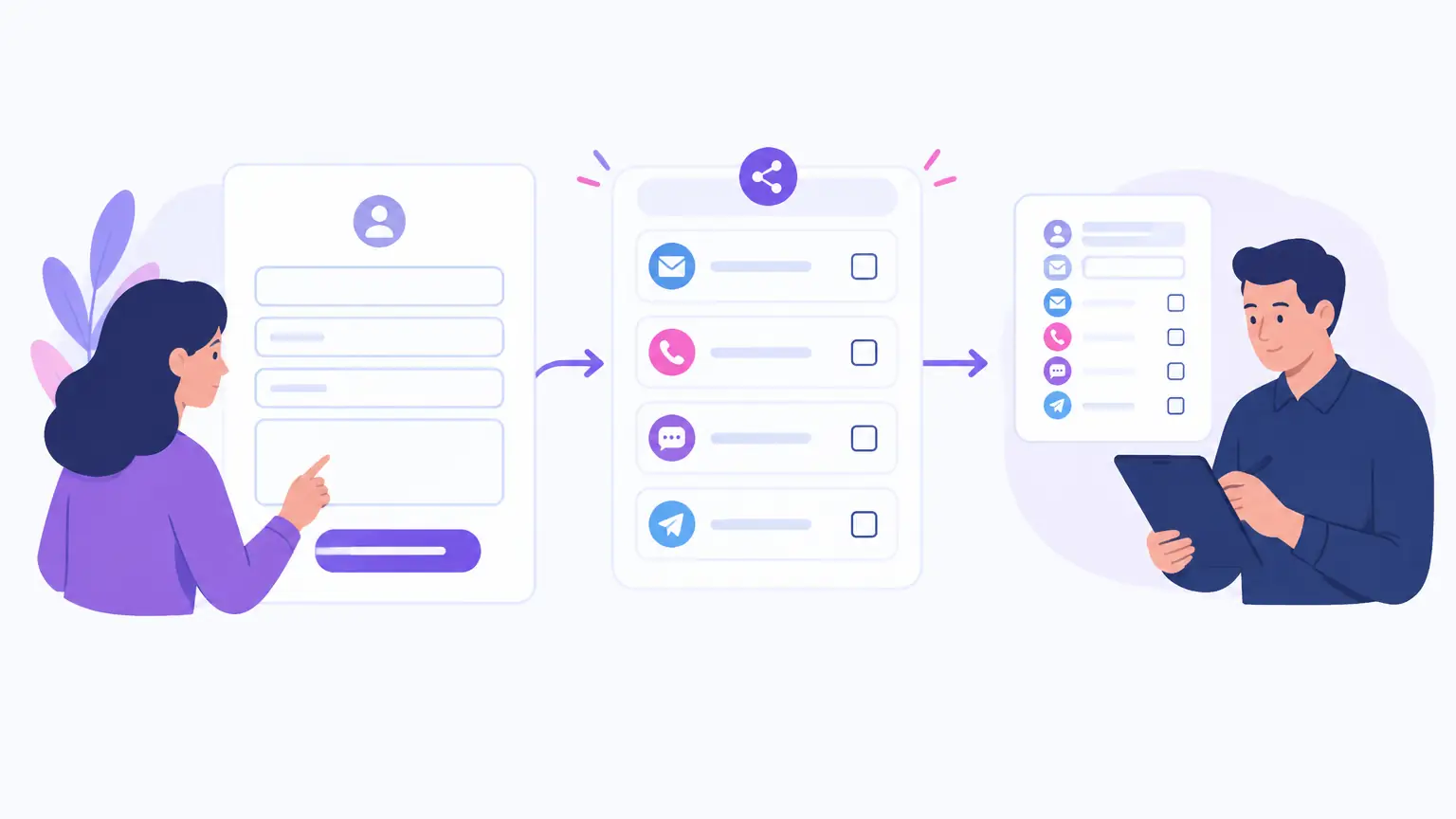
Capture Contact Details Without Treating Every Chat as Marketing Consent
Keep a service inquiry separate from optional ongoing promotion, with clear channel expectations, records and an easy way to withdraw.
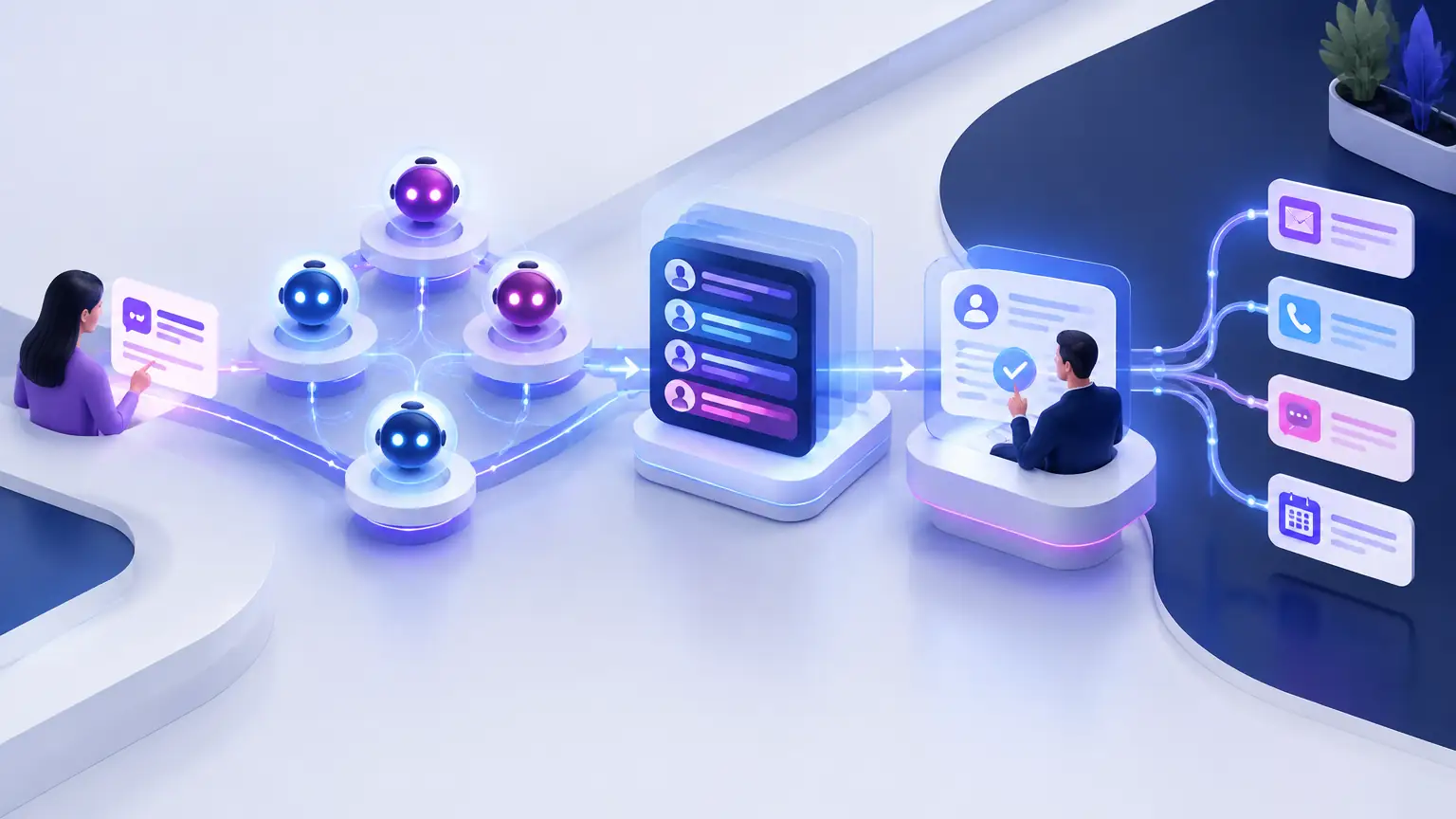
Prevent Duplicate Leads When Website, Ads and Chat Overlap
Define identifiers, keep source history, set update rules and send ambiguous shared-email cases to manual review.