

Follow Up on a Quote Request Without Sending a Newsletter
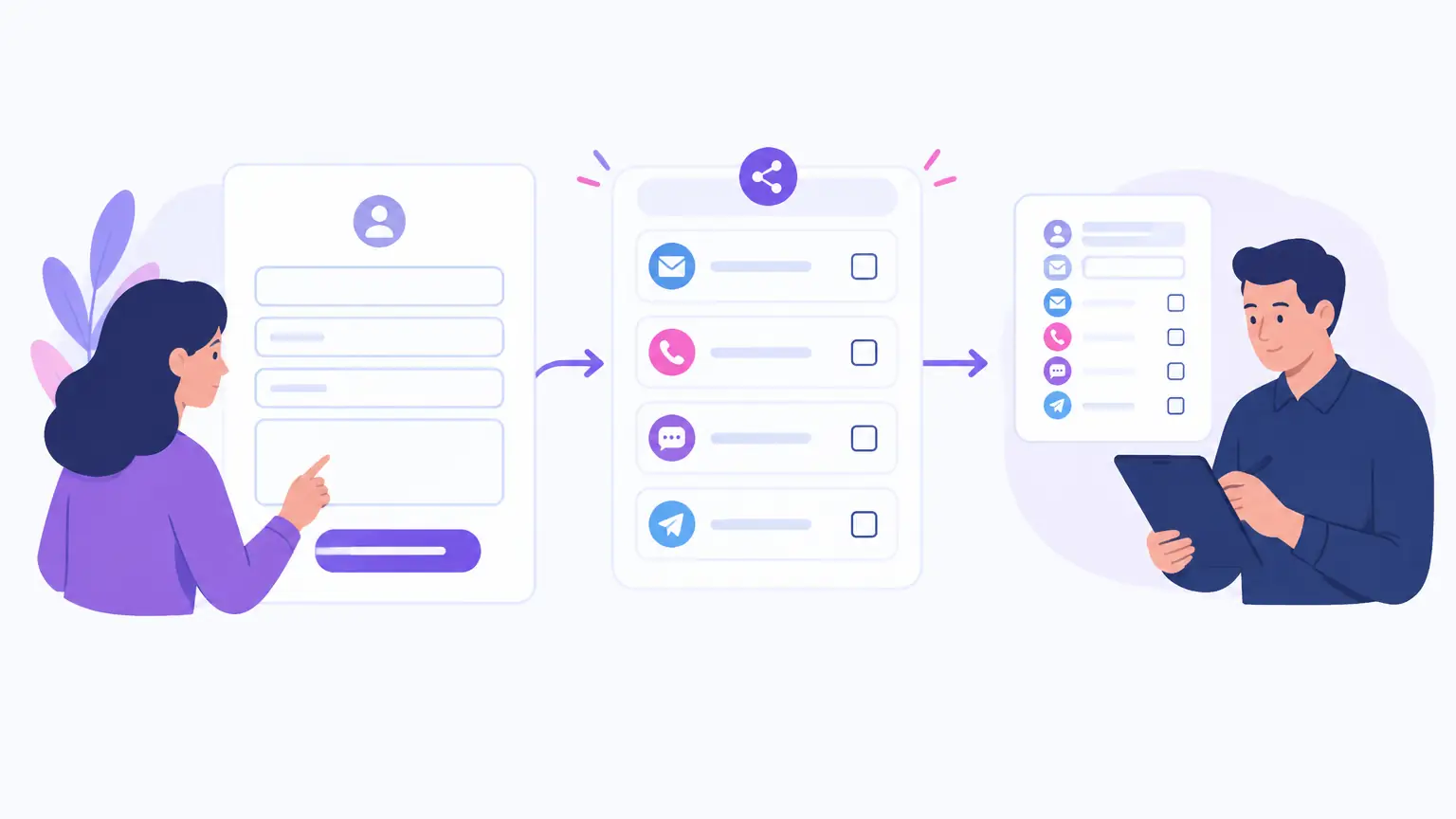
A quote follow-up should stay about the quote. Send a prompt acknowledgment, then one or two helpful messages tied to the specific request, and a respectful close if you do not hear back. Keep promotions out unless the person separately chose to receive them. How a message is classified legally depends on its primary purpose and where you operate, so do not assume every follow-up is exempt.
Why follow-ups go wrong
Many businesses either never follow up or follow up by dropping the person into a generic newsletter. The first loses sales that were close. The second annoys someone who asked for a single quote and now receives weekly promotions. A short, request-specific sequence sits in between.
A three-message sequence
| Message | When (you choose) | Purpose | Illustrative content |
|---|---|---|---|
| 1. Acknowledgment | Shortly after the request | Confirm receipt, set expectations | "We received your request for a deck repair quote. Our estimator will reply by tomorrow afternoon." |
| 2. Helpful follow-up | After the quote is sent, if no reply | Answer likely questions about this quote | "A few people ask whether the quote includes permit fees. Here is what yours covers." |
| 3. Respectful close | Later, if still no reply | Leave the door open, stop sending | "We'll close this request for now. If you'd like to revisit it, just reply to this email." |
This mirrors the shape of Rithm's starter workflow: an inquiry confirmation plus up to two inquiry-related email follow-ups, with a person handling the conversation from there.
What makes a follow-up helpful
- It references the specific request: service, location, date.
- It answers a question people commonly have at this stage.
- It offers a clear, low-effort next step, such as replying to the email or booking a call.
- It does not invent urgency, such as fake expiring discounts.
- It tells the person how to stop hearing about this request.
Keeping promotion separate
If your follow-up includes a coupon for a different service or a newsletter-style roundup, its primary purpose may shift toward commercial promotion. In the United States, the FTC's CAN-SPAM guidance explains that email is classified by its primary purpose, and that messages combining transactional and commercial content are judged on factors such as the subject line and what appears first. Other countries have different rules. Keep quote follow-ups focused, and send promotions only to people who opted in, as described in capturing contact details without assuming consent. Source: FTC: CAN-SPAM Act compliance guide for business.
Hypothetical example: a solar installer
A fictional solar company receives a quote request. Message one confirms receipt and names the consultant. After sending the quote, message two explains the difference between the two panel options in that specific quote. Message three, sent later, closes the request politely. The customer replies to message three asking to revisit next spring, and the consultant notes that in the CRM. At no point is the customer added to the monthly newsletter, because they did not ask for it.
Writing your sequence
- Write the acknowledgment with a realistic reply time.
- List the top two questions customers ask after receiving a quote.
- Turn each into a short, request-specific follow-up.
- Write a close message that clearly ends the sequence.
- Remove any promotional content not related to the request.
- Confirm that a reply from the customer stops automated messages and alerts a person.
Frequently asked questions
How many follow-ups are too many?
For most small-business quotes, two follow-ups after the acknowledgment is plenty. More can feel like pressure.
Should follow-ups mention price?
They can restate the quoted price if helpful. They should not introduce a different price or discount that was not approved; see answering "How much?".
Can AI write these messages?
AI can draft them from a template and the request details, but a person should approve the templates, and any reply from the customer should go to a person.
Next step
Draft your three messages this week. For help setting up inquiry follow-up on your existing tools, see our email marketing service or the Growth Marketing plan.
Sources and further reading
- FTC: CAN-SPAM Act compliance guide for business, which explains primary-purpose classification for US email.
Editorial note: this planning guide was drafted with AI assistance for Rithm Digital and created on September 25, 2026. Examples are hypothetical. It is general marketing-operations guidance, not legal, medical, tax or financial advice. Prices refer only to Rithm's published Small Business Launch & Growth offer.
You might also like
Discover more content related to this topic
Capture Contact Details Without Treating Every Chat as Marketing Consent
Keep a service inquiry separate from optional ongoing promotion, with clear channel expectations, records and an easy way to withdraw.
How to Answer 'How Much?' Without Losing the Inquiry
Answer known prices plainly, explain variable quotes honestly and handle unknown prices without guessing.