

AI Agent Development: Scoping a Narrow, Supervised Business Agent

AI agent development means building software that uses a language model to choose among approved actions, such as looking up an order, drafting an email or updating a record, within limits you set. Rithm scopes each agent around one job, a short list of allowed tools, logged actions and human approval for anything costly or irreversible. Most businesses should start smaller than they expect.
Agents versus simple automation
A simple workflow follows the same steps every time. An agent decides which step comes next based on the situation. That flexibility is useful when requests vary, but it also means more testing and oversight. Rithm's AI agent development service begins by asking whether a fixed workflow would do the job first.
Scoping an agent
| Question | Why it matters |
|---|---|
| What one job does it do? | Narrow jobs are easier to test |
| Which tools can it use? | Every tool is a possible mistake |
| What can it never do? | Clear limits prevent costly errors |
| When does it ask a person? | Approval gates protect money and reputation |
| How are actions logged? | Logs let you review and correct behavior |
Guardrails we build in
- Read before write. Early versions look things up and suggest actions; a person confirms changes.
- Approved knowledge only. The agent answers from your documented facts, not from guesses.
- Rate and cost limits. Usage caps prevent runaway model or messaging charges.
- Kill switch. Someone on your team can turn the agent off instantly.
Model providers publish their own guidance on safe tool use. Anthropic's documentation on building effective agents is a readable overview of why simple, composable patterns usually beat complex ones.
Hypothetical example: a property manager's owner inbox
A fictional property management firm receives owner emails asking for statement copies, repair status and lease dates. A narrow agent reads each email, looks up the matching record in a read-only view, and drafts a reply with the facts. A staff member reviews and sends it. Requests involving money, disputes or legal notices are flagged for the manager and never drafted. After a few weeks of review, the firm decides which reply types are reliable.
Readiness checklist
- One repetitive job with clear inputs and outputs.
- Written rules for what a good result looks like.
- A test set of realistic, made-up examples.
- A person assigned to review agent actions.
- Agreement on usage budgets before launch.
Our planning guide on testing a lead-capture workflow before launch shows how to build a test grid.
Costs to plan for
An agent has three kinds of ongoing cost. Model usage is charged per request and rises with volume and longer instructions. Connected tools, such as CRMs or messaging services, may have their own fees. Staff time is needed to review actions, update knowledge and handle escalations. Before building, we estimate each one at your expected volume and agree on caps. Starting with a narrow job also keeps costs predictable, because you can measure real usage before expanding the agent's responsibilities.
Frequently asked questions
Is a custom agent part of the Growth Marketing plan?
No. Bespoke agents are separately scoped because their tools, testing and usage costs vary.
Which AI model will it use?
That depends on the task, cost and data rules. The choice is documented and can change as models improve.
Can the agent talk to customers directly?
It can, but we usually recommend staff review first. Customer-facing autonomy comes later, if testing supports it.
Next step
Describe the one job you would hand an assistant and scope your agent with Rithm. Compare it with our broader AI marketing automation work.
Sources and further reading
- Anthropic: Building effective agents, on simple agent patterns.
- NIST: AI Risk Management Framework, for governing AI systems.
Editorial note: this planning guide was drafted with AI assistance for Rithm Digital and created on September 25, 2026. Examples are hypothetical. It is general marketing-operations guidance, not legal, medical, tax or financial advice. Prices refer only to Rithm's published Small Business Launch & Growth offer.
You might also like
Discover more content related to this topic
AI Workflow or AI Agent: What Should a Small Business Build First?
Compare fixed workflow steps with model-directed decisions, then use a simple task-selection matrix to choose where a human must approve.
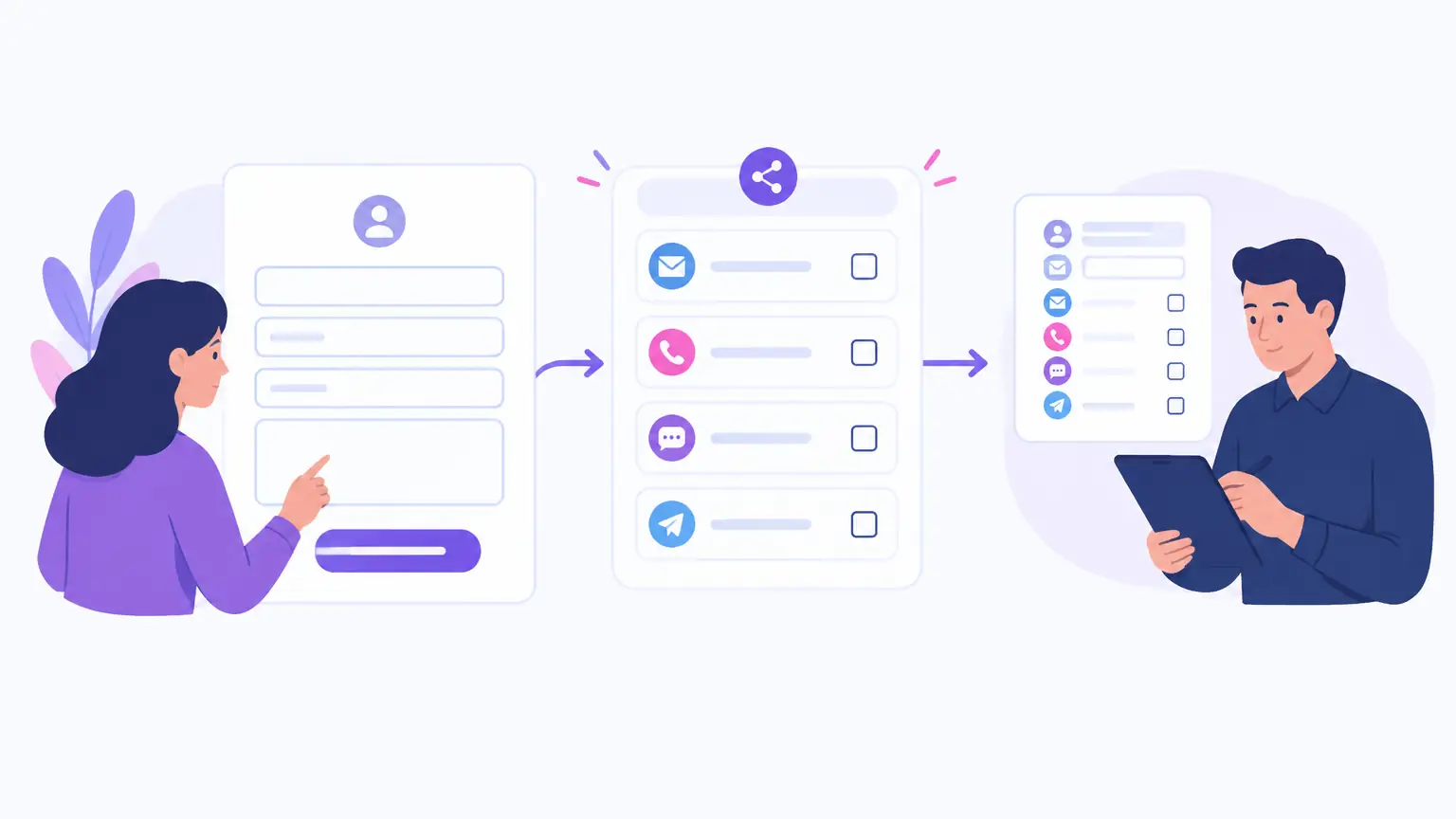
How to Test an AI Lead-Capture Workflow Before Launch
A test grid for duplicate submissions, unanswered questions, unavailable integrations, opt-out and human handoff, run with made-up data.