

Predictive Analytics: Forecasting Customer Behavior in 2024
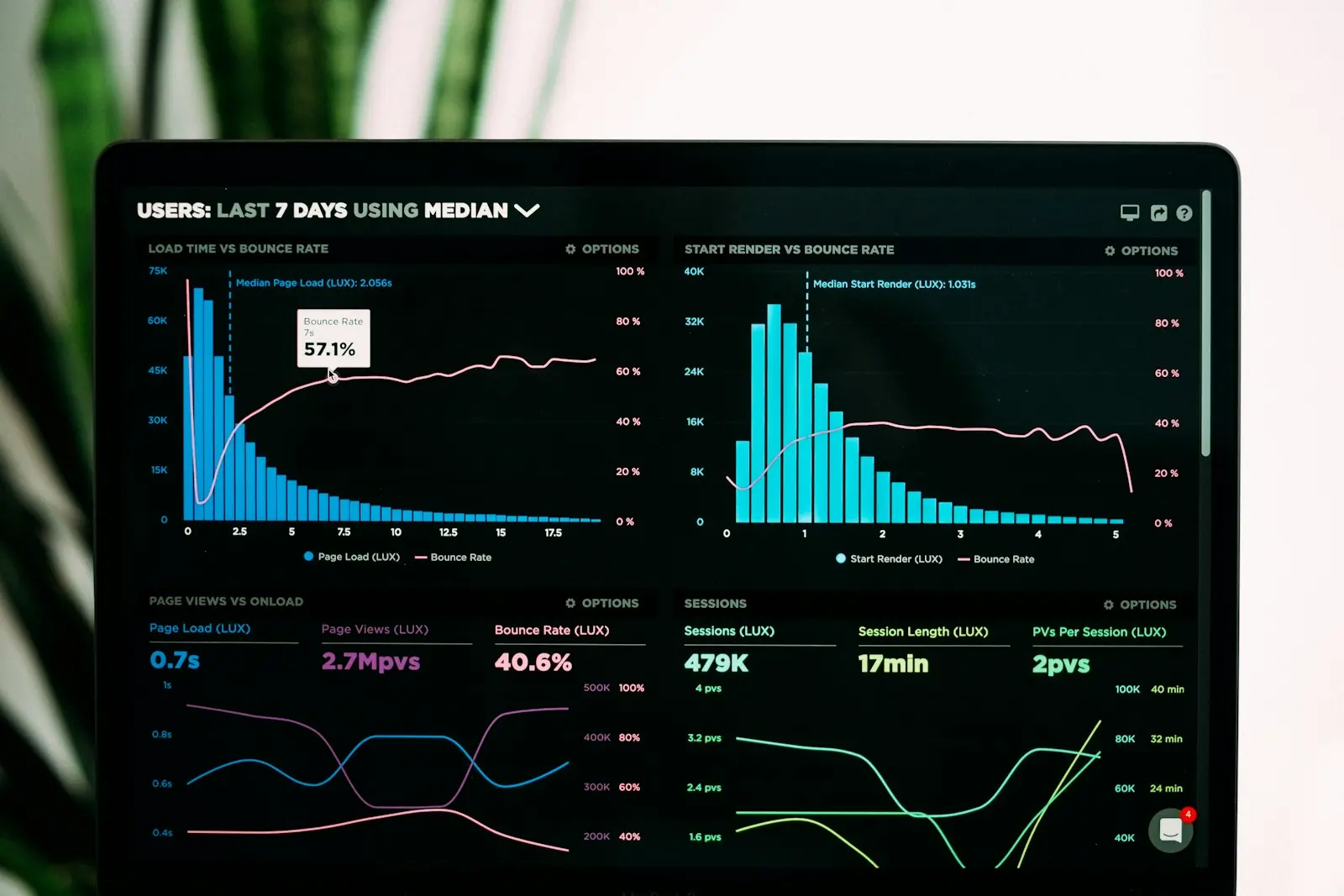
As data becomes more abundant and customer expectations more dynamic, predictive analytics has emerged as a critical tool for businesses seeking to anticipate rather than react. In 2025, it's no longer a luxury—it's a competitive necessity.
This guide explores how predictive analytics is reshaping customer behavior forecasting—and how your business can use it to stay ahead.
What Is Predictive Analytics?
Predictive analytics leverages historical data, machine learning, and statistical algorithms to forecast future outcomes. In marketing and customer experience, that means using data to predict:
- Which leads will convert
- When customers are likely to churn
- What products a shopper will buy next
- How much a customer will spend over time (LTV)
Why Predictive Analytics Matters in 2025
With privacy restrictions tightening and third-party cookies on their way out, brands must rely more on first-party data and AI-powered insights to drive personalization and performance.
Benefits include:
- Increased customer retention
- Smarter ad targeting and spend efficiency
- Improved product recommendations and UX
- Proactive customer support and churn prevention
- Revenue forecasting and inventory planning
5 Core Use Cases of Predictive Analytics in 2025
1. Predicting Customer Lifetime Value (CLV)
Knowing which customers will deliver the most long-term value enables smarter resource allocation. In 2025, LTV predictions combine transaction history, engagement signals, and demographic overlays.
Tactic:
Use machine learning to score customers by predicted LTV, then segment:
- High-LTV: Loyalty perks, VIP access
- Medium-LTV: Upsell campaigns, nurture flows
- Low-LTV: Cost-efficient remarketing or exclusion
2. Behavioral Targeting in Paid Media
Predictive models allow advertisers to move beyond demographics and target people based on likely future actions.
Example:
Instead of targeting "25–34-year-olds in Florida," target "users likely to purchase in the next 7 days" or "likely to add-to-cart but not convert."
Tools:
Meta's Advantage+ Shopping campaigns, Google Ads' Predictive Audiences, or third-party tools like Segment or Klaviyo.
3. Next Best Action (NBA) Marketing
Predictive analytics powers real-time decisions around what message, offer, or product to serve next.
Examples:
- Show Product B if a customer returns Product A
- Trigger an SMS discount if a high-value user abandons cart
- Recommend tutorials based on feature usage patterns in a SaaS product
Outcome:
Personalization at scale that feels intuitive, not invasive.
4. Churn Prevention and Retention Campaigns
Predictive churn models flag at-risk customers based on engagement decline, support ticket patterns, or usage drop-offs.
Tactic:
Deploy targeted retention workflows:
- "We noticed you haven't logged in…" emails
- Proactive support check-ins
- Re-engagement ad campaigns with incentives
5. Inventory and Demand Forecasting
For eCommerce and retail, predictive analytics can forecast product demand based on seasonality, behavior trends, and economic signals.
Impact:
- Reduce stockouts and overstock
- Optimize supply chain decisions
- Align marketing promotions with forecasted demand
How to Get Started With Predictive Analytics
You don't need to build a full data science team on day one. Start with scalable, accessible tools that integrate with your existing stack.
Step-by-step:
- Audit your data sources: CRM, POS, email, web behavior, purchase history
- Identify a use case: e.g., churn prediction or CLV forecasting
- Choose your tools:
- CRM-integrated: HubSpot, Salesforce Einstein
- eCommerce: Klaviyo, Shopify Plus, RetentionX
- Custom: Python + ML libraries (for advanced teams)
- Build a test model: Train it using your past data and validate results
- Act on insights: Launch segmented campaigns, adjust targeting, refine workflows
- Refine over time: Predictive models improve with more data and feedback loops
Challenges to Watch in 2025
While predictive analytics is powerful, it's not foolproof. Common pitfalls include:
- Data quality issues (garbage in = garbage out)
- Model overfitting or bias if trained on skewed data
- Privacy compliance, especially with evolving AI regulations (e.g., GDPR, CPRA)
- Overreliance on automation without human insight
Solution:
Balance machine intelligence with human judgment. Make data work for you—not drive blindly.
Final Thought
In 2025, growth will be driven by brands that can see around the corner. Predictive analytics gives you that vision—transforming raw data into real-time foresight, smarter marketing, and stronger customer relationships.
The future isn't uncertain—it's just uncalculated. Until now.
At Rithm Digital, we help businesses implement predictive analytics strategies that drive growth.Contact us to learn how we can help your organization leverage data for competitive advantage.
You might also like
Discover more content related to this topic
Advanced ROI Attribution Models for Digital Marketers
Discover how sophisticated attribution models can help you understand the true impact of your marketing efforts.

Measuring Marketing ROI: Beyond Vanity Metrics to Business Impact
How to develop meaningful marketing measurement frameworks that connect directly to business outcomes and growth.