

Neuromorphic AI: The Next Frontier in Content Personalization

Personalization has become the holy grail of digital marketing—yet even the most advanced recommendation engines still rely on predictive models that struggle to replicate human intuition. Enter Neuromorphic AI: a rapidly emerging branch of artificial intelligence that mimics the structure and functionality of the human brain.
In 2025 and beyond, Neuromorphic AI may redefine how content is delivered—not just based on data, but on how users think, feel, and react in real time.
What Is Neuromorphic AI?
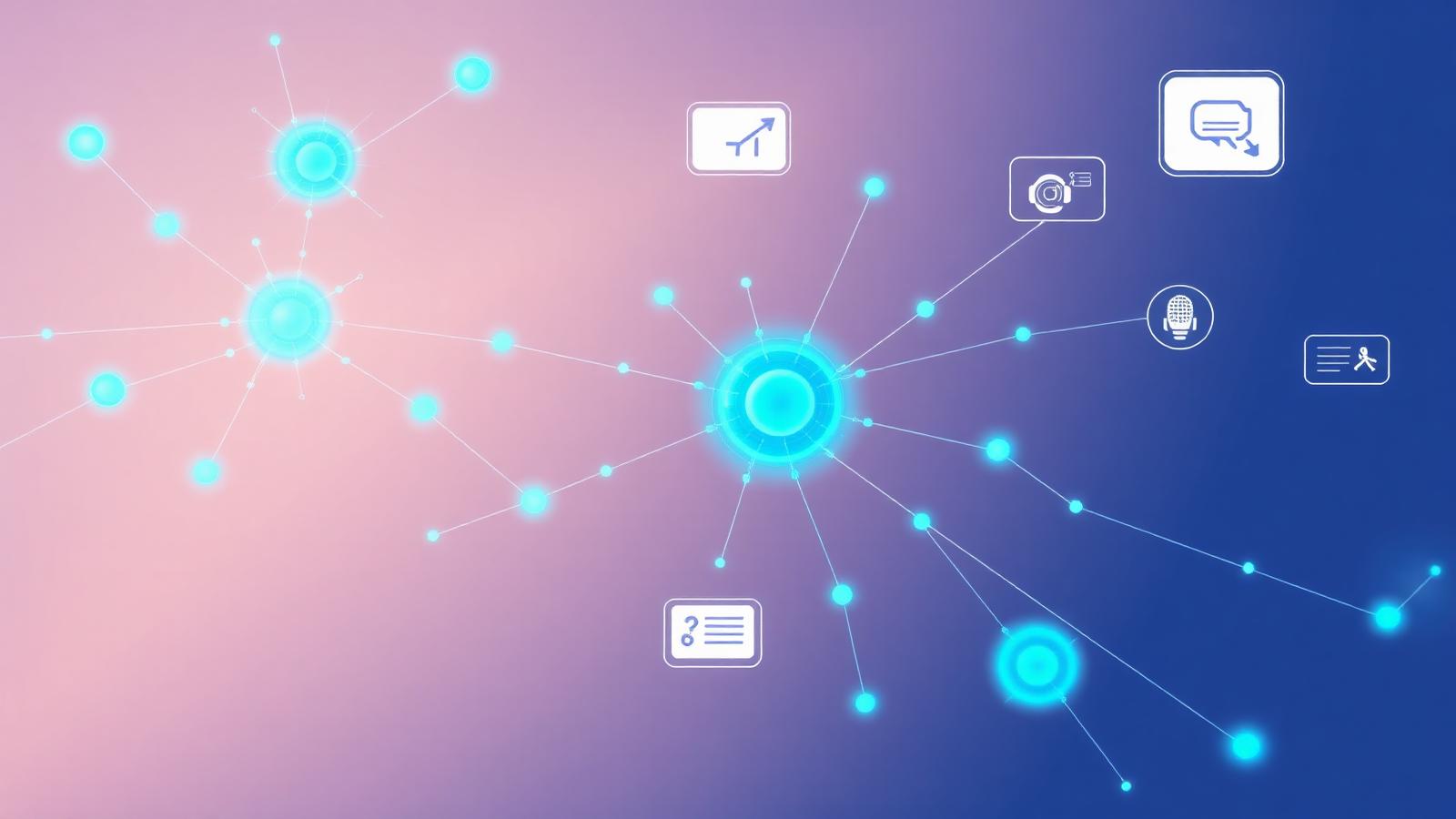
Neuromorphic AI is an approach to computing that uses hardware and software designed to emulate the neural structure of the human brain. Instead of relying solely on traditional CPUs and GPUs, neuromorphic systems use spiking neural networks (SNNs)—where data is processed through electrical pulses, much like biological neurons.
The result?
Faster, more energy-efficient systems that can process sensory data and adapt in real time—just like the brain.
Companies like Intel (Loihi), IBM (TrueNorth), and BrainChip are already investing heavily in neuromorphic chips and systems, bringing this once-theoretical concept closer to commercial reality.
Why Neuromorphic AI Matters for Content Personalization
Today's personalization systems rely on historical data and behavioral predictions. But users are dynamic. Emotions shift. Context changes. Traditional models can't always keep up.
Neuromorphic AI opens the door to real-time, responsive personalization that adapts on a cognitive level—creating content experiences that feel truly intuitive.
5 Ways Neuromorphic AI Will Transform Content Personalization
1. Hyper-Adaptive Experiences
Neuromorphic systems can process visual, auditory, and behavioral cues simultaneously—just like the human brain. That means websites, apps, and ads can dynamically adjust based on:
- Facial expressions
- Eye movement
- Voice tone
- Body language
Example:
An e-learning platform powered by neuromorphic AI could adapt the pace and tone of content delivery based on the learner's level of engagement or frustration in real time.
2. Emotion-Aware Content Delivery
By interpreting micro-signals (like blink rate, heart rate, and facial cues), neuromorphic systems can detect emotional states with greater accuracy than traditional sentiment analysis.
Impact:
- Serve empathetic content during moments of user stress
- Recommend uplifting or calming media during late-night use
- Adjust music, visuals, or copy based on real-time mood detection
3. Next-Level Recommendation Engines
Current algorithms recommend content based on what others like you have done. Neuromorphic AI allows for personalization based on what you are thinking or feeling—right now.
Example:
Instead of recommending a movie because similar users enjoyed it, a neuromorphic system could recommend based on your micro-expressions while scrolling trailers—detecting your interest before you click.
4. Sensory-Integrated Experiences
Neuromorphic hardware can process multi-sensory data inputs far more efficiently, enabling content experiences that incorporate:
- Touch (haptics)
- Gesture recognition
- Augmented reality overlays
- Spatial audio
Use Case:
Retail brands could create neuromorphic-driven AR shopping experiences where content changes based on the shopper's gestures, gaze, or vocal excitement.
5. True Real-Time Personalization
Where traditional systems often personalize after data processing, neuromorphic AI can do it instantly—at the edge, with no lag.
Result:
Content shifts the moment the user shifts—making personalization fluid, rather than fixed.
Challenges to Consider
While exciting, neuromorphic AI isn't plug-and-play yet. Key barriers include:
- Hardware limitations: Neuromorphic chips are still experimental for mainstream use
- Data privacy concerns: Emotion and biometric data requires strict ethical and legal safeguards
- High complexity: Developing SNN models is vastly different from traditional AI workflows
- Lack of industry standards: There's no "universal" framework yet for neuromorphic personalization
What Brands Can Do Today
Even if neuromorphic AI is years from full adoption, forward-thinking marketers can prepare now by:
- ✅ Investing in behavioral and emotional data capture
- ✅ Partnering with research institutions and AI labs
- ✅ Building ethical data policies around biometric and real-time inputs
- ✅ Exploring real-time personalization tools and edge computing infrastructure
- ✅ Staying educated on advancements in neuromorphic hardware from Intel, IBM, and others
Final Thought
Personalization in its current form is powerful—but limited. Neuromorphic AI holds the promise of a future where digital experiences don't just reflect our past behavior—they respond to our minds in the moment.
The next era of content personalization won't just be data-driven. It will be brain-inspired.
At Rithm Digital, we help businesses stay ahead of emerging AI technologies.Contact us to learn how we can help your organization prepare for the future of personalization.
You might also like
Discover more content related to this topic
What Are AI Agents and How Can Businesses Use Them?
Learn what AI agents are, how they work, and how businesses can use them to improve lead capture, customer support, sales follow-up, marketing automation, and operational efficiency.

Quantum Computing: The Future of Marketing Analytics
Explore how quantum computing is set to revolutionize marketing analytics with unprecedented processing power and capabilities.
How AI is Transforming Digital Marketing: Case Studies and Implementation
Real-world examples and practical implementation strategies for leveraging AI to revolutionize your digital marketing efforts.