

Measure an Inquiry Separately From a Booking or Sale
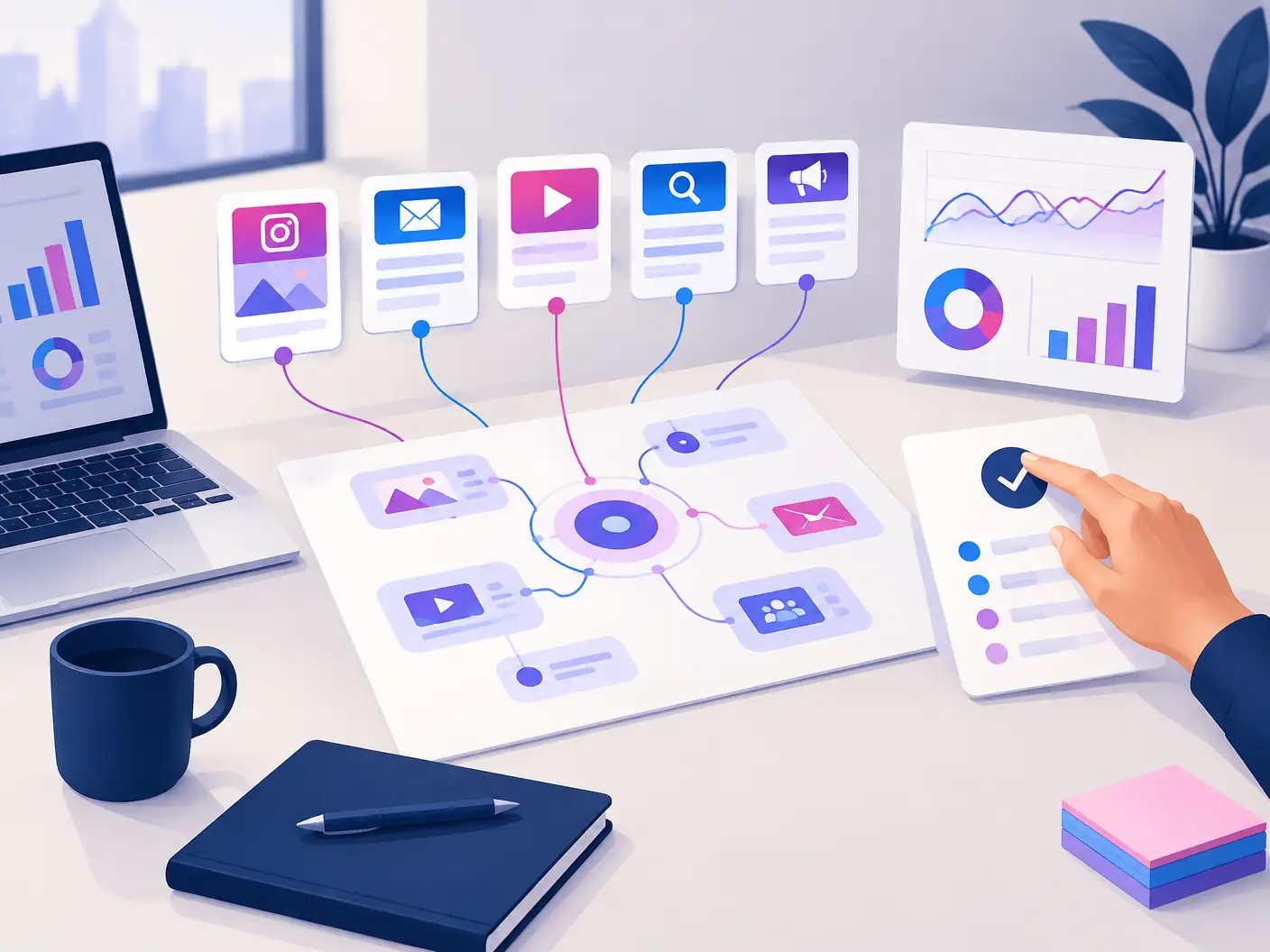
Track each funnel stage as its own event: inquiry submitted, inquiry qualified, booking confirmed, sale completed. Count each person once per stage, and let staff confirm the later stages rather than assuming them from clicks. Keep personal details out of analytics tools. That way your reports show where people actually drop off instead of treating every form submission as a customer.
Why stages matter
If a report shows "30 conversions," it matters a lot whether those were 30 form submissions or 30 paying customers. Mixing stages makes channels look better or worse than they are and hides the step that needs work. A form that brings many inquiries but few bookings points to a qualification or follow-up problem, not a traffic problem.
Hypothetical event dictionary
This is an illustrative structure, not real data.
| Event name | Stage | Triggered by | Where recorded | Personal data in analytics? |
|---|---|---|---|---|
inquiry_submitted | Inquiry | System confirms form was saved | Analytics and CRM | No |
inquiry_qualified | Qualified | Staff marks lead as a fit | CRM | No |
booking_confirmed | Booking | Staff or booking tool confirms a real appointment | CRM or booking tool | No |
sale_completed | Sale | Invoice paid or contract signed | CRM or accounting | No |
Only the first event is usually sent from the website. The rest are recorded where the business actually confirms them.
Deduplication
One person can submit a form twice, message on social media and call. Count them once per stage. That requires a consistent way to identify the same person in your CRM, as covered in preventing duplicate leads. Analytics tools should receive an event without identifying details; the CRM is where you connect stages for the same person.
Staff confirmation
A booking is not confirmed because someone clicked "Book." It is confirmed when a real slot is reserved or a staff member agrees a time. A sale is complete when money or a signed agreement arrives. Letting staff mark these stages keeps them honest. It also makes the monthly report more useful, as discussed in reading a report when lead volume is small.
Keeping personal data out of analytics
Google's guidance on avoiding sending personally identifiable information warns against including information such as names, email addresses or phone numbers in URLs, page titles, event parameters and other fields sent to Analytics. Practical rules:
- Do not put email or phone in thank-you page URLs.
- Do not send form field contents as event parameters.
- Use generic event names and categories.
- Keep the link between a person and their journey in your CRM, not in analytics.
Our guide to UTM tracking without personal data covers campaign links specifically.
Hypothetical example: a home inspection company
A fictional inspector's report showed a campaign with many "conversions." When they split stages, they found most were inquiries from outside the service area. The campaign's targeting was adjusted, and the form added a clear service-area question. The report now shows inquiries, qualified inquiries and confirmed inspections separately, and the inspector judges campaigns on confirmed inspections.
Setup checklist
- Define each stage and who confirms it.
- Fire
inquiry_submittedonly after the system confirms receipt. - Record later stages in the CRM or booking tool.
- Deduplicate people in the CRM.
- Check that no personal data reaches analytics.
- Report each stage separately.
Frequently asked questions
Should I track button clicks?
You can, as a diagnostic. Just do not report clicks as inquiries or sales.
Can I import sales back into analytics?
Some tools allow offline conversion imports. If you do, follow the tool's rules and keep personal data out of what you send.
What if I do not have a CRM?
A simple spreadsheet with stages and dates is better than nothing. Keep it access-controlled.
Next step
Write your own event dictionary with the four stages. For help setting up measurement, see our analytics service.
Sources and further reading
Editorial note: this planning guide was drafted with AI assistance for Rithm Digital and created on September 25, 2026. Examples are hypothetical. It is general marketing-operations guidance, not legal, medical, tax or financial advice. Prices refer only to Rithm's published Small Business Launch & Growth offer.
You might also like
Discover more content related to this topic
UTM Tracking Without Personal Data in URLs
A naming convention and example URLs that keep names, emails, phone numbers and customer tokens out of campaign parameters.
Read a Monthly Marketing Report When Lead Volume Is Small
Separate observations, uncertainty, qualified inquiries and recommendations when the numbers are small.